

Healthy Cooking Your Kids Will Love
Getting kids to eat something you’d call “healthy” usually isn’t about the recipe — it’s about presentation and how much sugar you’re competing with. A few small habits make a bigger difference than any single dish.
Cut things small and let them build their own plate
Kids eat more of what they can pick up with their hands. Chop dates, cucumber, cheese and apple into similar bite-sized pieces and lay them out on one plate instead of serving a single mixed dish. Letting a child choose what goes on their fork, even from a short list, gets more food eaten than insisting on one “correct” combination.
Swap the sugar source, not the whole recipe
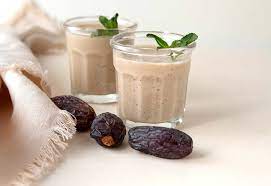
Most kid recipes just need less refined sugar, not a complete overhaul. Chopped dates blended into oatmeal, muffin batter or a smoothie add sweetness along with fibre, so you can usually cut the added sugar in a recipe by a third or more without anyone noticing. Medjool dates work best for this — soft enough to blend without soaking first.
Keep one “safe” food on every plate
If you’re introducing a new vegetable or dish, put it next to something the child already eats without complaint — rice, bread, or plain pasta. That takes the pressure off trying the new item, since dinner isn’t a gamble on one dish. Repeated low-pressure exposure works better than one big “you have to finish this” meal.
Get them cooking, even a little
Pitting dates, stirring batter, or arranging fruit on a plate are jobs a young child can actually do safely. Kids eat food they helped make far more readily than food that just appears in front of them — it doesn’t need to be a full recipe, five minutes of “help” is enough.
None of this needs to happen every meal. Two or three of these habits, used regularly, do more than an occasional elaborate “healthy” dinner nobody finishes.
For dates worth keeping in the pantry for this kind of cooking, see the wholesale buying guide or the irandatefruits.com homepage.