

Life Cycle of a Date Palm

The date palm is one of the most iconic fruit-bearing trees in the world, valued for its resilience, nutritional benefits, and cultural significance. Farmers and consumers alike often associate the growth and harvest of dates with the economics of harga kurma, as the price of dates reflects the effort and time invested in nurturing these trees. Understanding the life cycle of a date palm from seedling to fruit-bearing stage provides insight into why dates are treasured and why their cultivation is considered both an art and science.
Seed Germination Stage
The journey of a date palm begins with a seed. Germination is the first stage, where the seed absorbs water and begins to sprout. This process can take several weeks, depending on soil conditions, temperature, and moisture. Farmers often monitor this stage carefully, as successful germination determines the future health of the tree. The economics of harga kurma indirectly start here, since the quality of seedlings influences the eventual yield and market value of the fruit.
Seedling Development
Once germination occurs, the seedling emerges with small shoots and roots. This stage is delicate, requiring careful irrigation and protection from pests. Farmers often grow seedlings in nurseries before transplanting them into fields. The seedling stage can last up to two years, during which the plant develops a strong root system. The availability of seedlings through kurma online borong platforms has made it easier for growers to access healthy young plants for cultivation.
Juvenile Growth Phase

After the seedling stage, the date palm enters its juvenile phase. During this time, the tree focuses on vegetative growth, producing fronds and strengthening its trunk. This phase can last several years, often up to five or six, before the tree shows signs of reproductive maturity. Farmers invest heavily in irrigation, fertilization, and pest control during this stage, knowing that the eventual fruit-bearing capacity will determine the harga kurma in local and international markets.
Maturation and Flowering
The transition from juvenile to mature growth is marked by the appearance of flowers. Date palms are dioecious, meaning male and female flowers grow on separate trees. Farmers must ensure proper pollination, often manually transferring pollen from male to female trees to guarantee fruit production. This stage is critical, as successful pollination directly impacts yield. The cultural significance of dates, including varieties like kurma Nabi Malaysia, is tied to this stage, where the tree begins to fulfill its role as a provider of nourishment and tradition.
Fruit Development
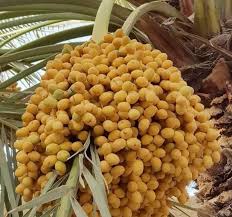
Once pollination occurs, the female flowers develop into fruits. The fruit development stage is divided into several phases:
- Kimri (unripe stage): The fruit is small, green, and hard.
- Khalal (full-size but crunchy stage): The fruit turns yellow or red, depending on the variety.
- Rutab (soft stage): The fruit becomes tender and sweet.
- Tamar (fully ripe stage): The fruit dries naturally, becoming chewy and intensely sweet.
Each stage has its own market demand, influencing the harga kurma. Farmers often decide when to harvest based on consumer preferences and economic considerations.
Harvesting Stage
Harvesting is one of the most labor-intensive stages in the life cycle of a date palm. Workers climb tall trees or use mechanical lifts to collect ripe fruits. The timing of harvest is crucial, as premature collection can reduce sweetness, while delayed harvesting may lead to spoilage. The harvested dates are then sorted, cleaned, and packaged for sale. Platforms like kurma online borong have modernized this process, allowing farmers to reach wider markets with their produce.
Post-Harvest Processing
After harvesting, dates undergo processing to ensure quality and longevity. This includes washing, drying, grading, and packaging. Some dates are stuffed with nuts or coated with chocolate for added value. The quality of post-harvest processing directly influences consumer perception and the harga kurma in retail markets. Proper storage ensures that dates remain fresh and appealing for months.
Economic Impact of the Date Palm Life Cycle
The life cycle of a date palm is closely tied to economic outcomes. From seedling to fruit-bearing, each stage requires investment in labor, water, and technology. The final yield determines profitability, influencing the harga kurma across regions. Farmers who manage the life cycle efficiently often achieve higher yields and better market prices, sustaining both local economies and international trade.
Cultural and Religious Significance
Beyond economics, the life cycle of a date palm carries cultural and religious importance. Dates are mentioned in religious texts and are integral to traditions such as Ramadan, where they are used to break fasts. Varieties like kurma Nabi Malaysia hold special reverence, symbolizing purity and blessings. The cultivation and gifting of dates reflect values of hospitality, generosity, and spirituality.
Sustainability in Date Palm Cultivation
Modern farming practices emphasize sustainability in date palm cultivation. Efficient irrigation systems, organic fertilizers, and pest management strategies ensure that the trees thrive without harming the environment. Sustainable practices not only protect ecosystems but also stabilize the harga kurma, ensuring long-term availability of dates for future generations.
Challenges in the Life Cycle of Date Palms
Despite their resilience, date palms face challenges such as water scarcity, pests, and climate change. Farmers must adapt by using innovative techniques to protect their crops. These challenges can affect yields and, consequently, the harga kurma in markets. Addressing these issues is essential for maintaining the cultural and economic significance of dates.
Conclusion
The life cycle of a date palm, from seedling to fruit-bearing, is a remarkable journey that blends biology, culture, and economics. Each stage—from germination to harvesting—requires careful attention, reflecting the dedication of farmers who sustain this ancient tradition. The economics of harga kurma are deeply tied to this cycle, as the quality and quantity of dates depend on successful cultivation. With modern innovations like kurma online borong and the cultural reverence of varieties such as kurma Nabi Malaysia, the date palm continues to thrive as both a symbol of heritage and a source of nourishment. Understanding its life cycle not only deepens appreciation for this fruit but also highlights its enduring role in communities worldwide.