

Raw Diet Plan – Simple Excess Weight Loss
This post’s title promises a simple raw diet plan for losing excess weight. If dates or other dried fruit go into that plan, two American studies on dried fruit and body weight are worth reading first, because they point in different directions. One was a controlled trial. The other was a national survey.

The Penn State dried fruit trial
Researchers at the Pennsylvania State University ran a randomised crossover trial with 55 adults who had a raised BMI (Sullivan and colleagues, 2020). Each person was assigned four weeks of 3/4 cup a day of mixed dried plums, figs, dates and raisins and four weeks of a snack matched for energy and carbohydrate, and 52 of the 55 finished both. The control snack was animal crackers plus fruit gummies.
The planned dried fruit portion was 112 g a day, 28 g of each fruit. Natural variation in the fruit meant people actually got about 101 g, and the date share came to about 23 g. That is close to the 24 g that the USDA FoodData Central database gives for one pitted Medjool date.
Participants were told the calorie value of the study foods and asked to eat them in place of foods they already ate. They were given no specific advice on which foods to drop.
The change in weight did not differ between the two periods (P = 0.55). It tended to rise after both: 0.3 kg with the dried fruit and 0.4 kg with the control snack. The authors wrote that the dried fruits “were not effectively substituted for other foods in the diet and thereby contributed to weight gain”. Their own suggestion was that more detailed guidance may be needed.
The survey that found lighter dried fruit eaters
An older analysis used the US National Health and Nutrition Examination Survey for 1999 to 2004, covering 13,292 adults (Keast and colleagues, 2011). Anyone eating at least 1/8 cup-equivalent of dried fruit a day counted as a consumer. Only 7% of the population did.
After adjusting for other factors, the consumers weighed 78.2 kg against 80.7 kg for non-consumers. Their BMI was 27.1 against 28.1, and their waist measured 94.0 cm against 96.5 cm. They also ate 6.6 g more fibre a day and scored higher on the Healthy Eating Index (59.3 against 49.4). The authors describe these findings as an association. Consumers were identified from 24-hour food recalls, and the survey did not change what anyone ate.
What one date adds up to
FoodData Central lists Medjool dates at 277 kcal per 100 g, with 6.7 g of fibre and 1.81 g of protein. At 24 g, one pitted Medjool comes to about 66 kcal. The NHS puts a portion of dried fruit at around 30 g, which in Medjool terms is about 83 kcal.
Read next to the Penn State result, those numbers matter. The trial’s dried fruit added about 270 kcal a day, and the authors put the small gain down to the fruit not replacing other food. A raw plan that adds dates on top of everything else could repeat that.
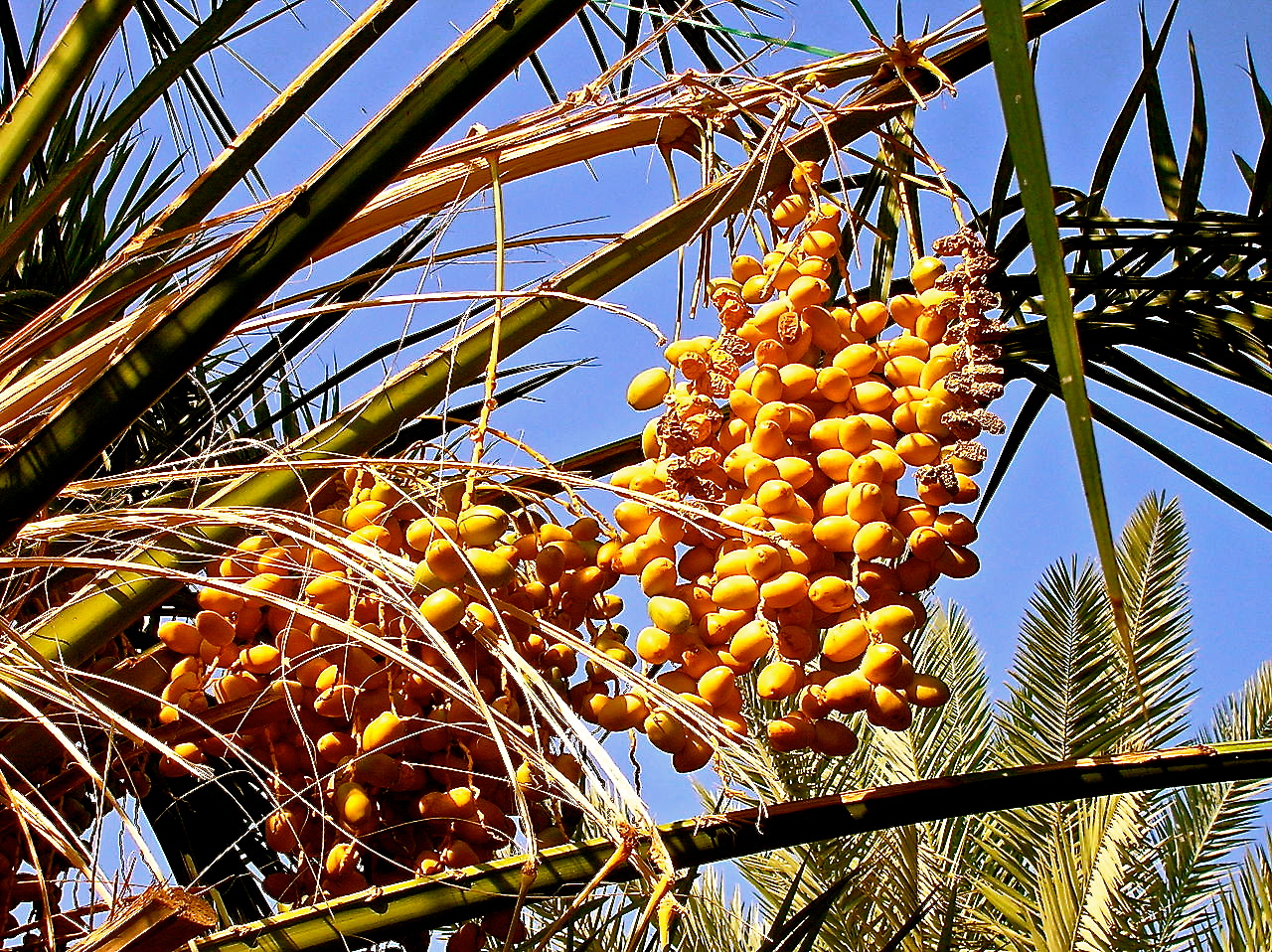
Where the dates go in the day
The NHS 5 A Day portion guide says an adult portion of fruit or vegetables is 80 g, and that a 30 g portion of dried fruit counts as one. It also says dried fruit “can be high in sugar and can be bad for your teeth”. Its advice is to swap dried fruit for fresh fruit, especially between meals, and to eat dried fruit as part of a meal, for example as dessert, rather than as a between-meal snack.
For a simple plan, that gives two plain rules. Weigh the dates the first few times so 30 g stops being a guess. Then let them replace a sweet you would have eaten at a meal, rather than adding them as an extra snack.
For buying dates in Malaysia, one supplier site is Pembekal Kurma Shah Alam.
This article is general information, not personal diet advice. More about this site is on the About Us page and the contact page.