
Your Buyer’s Guide to Premium Dates

Understanding the Buyer’s Perspective on Quality
For those of us who live and breathe the date industry, we understand that our product is more than just a commodity. It is a symbol of hospitality, a nutritional powerhouse, and a fruit steeped in tradition. Our partners, the buyers and distributors who bring our harvest to the world, are increasingly discerning. They are not just purchasing dates; they are sourcing an experience for their customers. The question at the heart of every transaction is shifting from “What is the price (harga kurma)?” to “What is the quality?” This guide delves into the key factors that buyers evaluate when selecting their supplier for premium kurma.
The First Impression: Visual Perfection
Consistency is Key
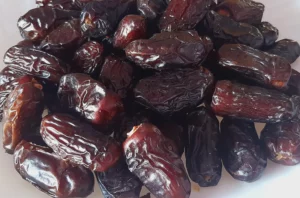
The first impression is everything, and in the world of dates, it is a visual experience. Before a buyer ever tastes a fruit, they are meticulously examining its appearance. They are looking for a set of visual cues that signal careful handling, proper cultivation, and overall superiority. Consistency is paramount. A batch of dates should be uniform in size and color for its specific variety. Significant variation suggests a mix of different quality tiers or haphazard processing.
Skin Integrity and Surface
The skin should be smooth or naturally wrinkled, depending on the type, but it should be intact. Excessive tears, punctures, or broken skin are immediate red flags, as they expose the fruit to air, leading to spoilage and sugar crystallization. Buyers are also keenly aware of the surface texture. A fine, light coating of natural sugar bloom is often a positive sign, indicating natural sugars and proper drying. However, an excessive, gritty, or sticky sugar coating can suggest improper storage.

The Feel of Quality: Assessing Texture
If appearance is the first chapter, texture is the story’s compelling plot. It is the physical experience of the date that tells a buyer everything about its freshness, moisture content, and handling. The ideal texture is a delicate balance, a signature that varies slightly by variety but always speaks to quality. For many premium varieties, a soft, fleshy, and moist texture is the gold standard. When a buyer gently squeezes a date, it should yield slightly under pressure, feeling plump and tender without being mushy or sticky. It should not be hard, dry, or tough, as this indicates age, over-drying, or poor storage conditions. Jual kurma ensures high quality products.
The Ultimate Test: Flavor Profile
The Symphony of Sweetness
Ultimately, the journey of evaluation culminates in flavor. A date can look perfect and feel perfect, but if it doesn’t taste perfect, the entire effort is for nothing. The taste profile is the soul of the fruit, and buyers are looking for a clean, complex, and authentic flavor that represents the variety’s true character. The primary note should be a rich, natural sweetness, not a flat, sugary taste. Dates supplier Malaysia brings you premium kurma to enjoy throughout the year.

Complexity and the Absence of Off-Flavors
Underlying that sweetness, buyers with a trained palate look for subtle secondary notes: hints of caramel, butterscotch, honey, or even a slight smoky essence, depending on the type. There should be no off-flavors whatsoever. A sour or fermented taste is an immediate indicator of spoilage. This intense focus on flavor is why buyers are willing to pay a premium for exceptional harvests.
Beyond the Fruit: Certifications and Handling
In today’s global market, a buyer’s responsibility extends beyond the immediate sensory qualities of the fruit. They are increasingly tasked with verifying the story behind the product. This is where certifications and proof of proper handling become critical differentiators for suppliers. Astute buyers will inquire about farming practices. Certifications like Organic, Non-GMO Project Verified, or Fair-Trade are not just stickers on a box; they are assurances of a specific cultivation standard that a growing segment of consumers demands. They also scrutinize the post-harvest handling and processing pipeline. Questions about washing methods, drying techniques, sorting procedures, and packaging environments are becoming standard.
The Final Shield: Packaging and Presentation
Functional Protection
The final, and perhaps most practical, factor a buyer considers is how the product is presented and protected for its journey. The packaging is far more than a container; it is a preservation system and a marketing tool. Buyers are looking for packaging that is both functional and informative. Functionally, it must protect the dates from physical damage, moisture, air, and light, all of which degrade quality. Vacuum-sealing or modified atmosphere packaging are excellent indicators of a supplier who invests in extending shelf life and maintaining freshness.
Informative and Value-Added Labeling
Secondly, the packaging must provide clear and comprehensive information. This includes the variety name, harvest date, country of origin, net weight, and any relevant certifications. Thoughtful packaging, such as resealable bags or elegant boxes for retail readiness, adds significant value.

Conclusion:
Becoming a supplier of choice in the premium date market is about embracing a holistic philosophy of quality. It is a commitment that extends from the orchard to the final shipment. It begins with passionate cultivation and is upheld by unwavering standards in processing. It is proven through transparency and finalized with intelligent packaging that honors and protects all that effort. This entire process is what creates the elusive and valuable category of high-quality dates. When a buyer finds a supplier who masters this entire chain, they have found a true partner. They are relieved of the anxiety of inconsistent quality and disappointed customers. Instead, they can confidently build their brand and satisfy their market, knowing the foundation of their product is rock solid.