

Junk Food Threatens Our Memory
What you eat regularly is one of the things linked to how well memory holds up as you get older — not the only thing, and not a guarantee either way, but it is one of the few pieces you actually control day to day. This is general nutrition information, not medical advice; anyone with a real memory or health concern should talk to a doctor.
Added sugar
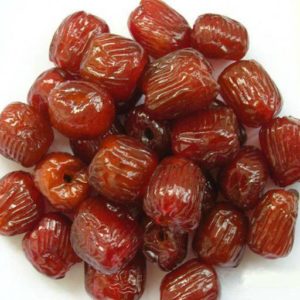
A diet heavy in added sugar — the kind in soda, packaged juice, and most desserts — is one of the more consistently studied dietary patterns linked to cognitive decline over the long term. That is different from claiming any single sugary drink damages memory outright; it is the pattern repeated over years that gets studied, not one can of soda. Swapping it for a piece of whole fruit, dates included, cuts the added-sugar load without cutting the sweetness entirely. Kurma Wholesaler Green Diamond is worth a look if you want that swap ready-made instead of juicing fruit yourself every day.
Refined carbs eaten in excess
White rice, white bread and pasta making up most of every meal — rather than sitting alongside vegetables and protein — is the more specific issue, not carbohydrates as a category. One high-carb meal a day is a normal part of most diets. What gets flagged in the research is every meal built the same way, day after day.
Fast food as a habit, not an occasional meal
The problem with regular fast food is not any single ingredient; it is the combination eaten often — heavy on refined carbs and fat, light on the vegetables and protein that keep a meal filling in a way that leaves you with energy afterward. Feeling sluggish after one heavy meal is normal. Feeling sluggish most days is the pattern worth paying attention to.
None of this is a memory cure, and no single food choice reverses or prevents a medical condition — that is a conversation for a doctor, not a grocery list. What diet actually shifts are the odds over years, and a healthy diet built around whole food more often than not is the version of that advice worth acting on. Browse the dates fruit range for a few whole-food swaps to start with.